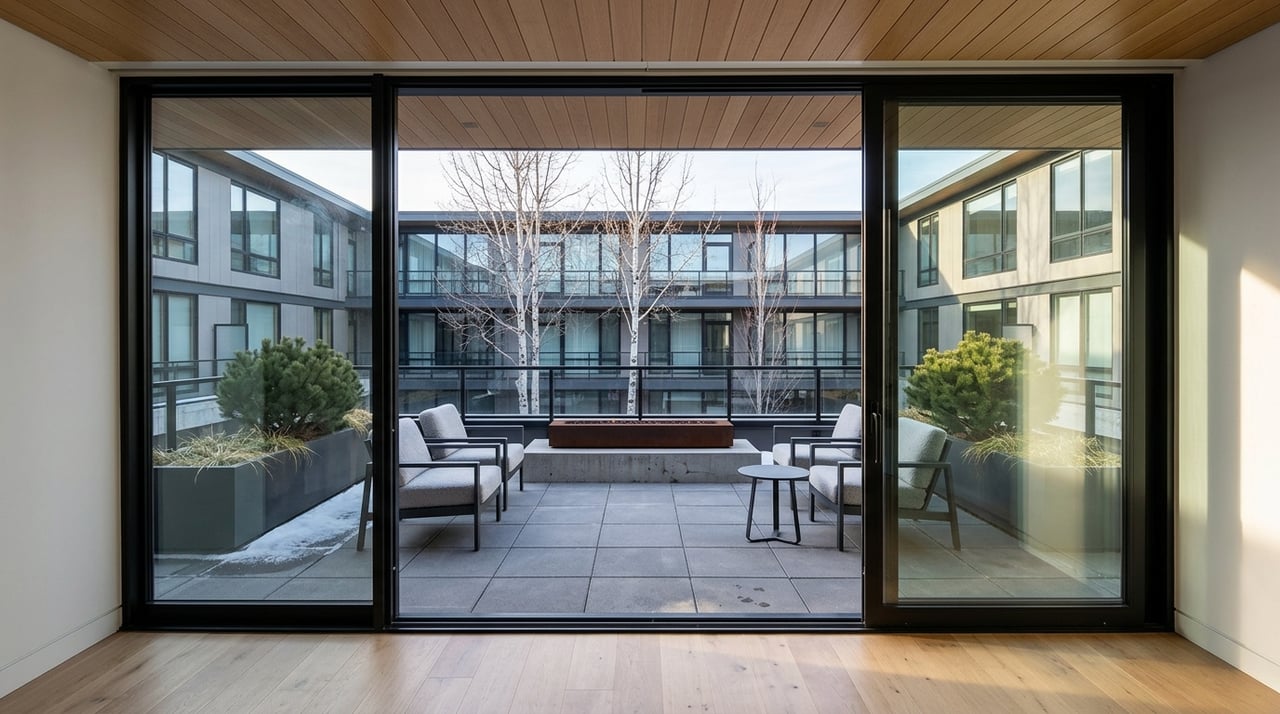
Choosing between an Aspen Core condo and a townhome for a second home sounds simple until you look past the floor plan. In this market, the better fit often comes down to HOA documents, parking rights, and short-term rental rules rather than the label on the listing. If you want a property that works for your lifestyle and your ownership strategy, the details matter. Let’s dive in.
Why the Label Is Only the Start
In Aspen Core, the words condo and townhome can be helpful, but they do not tell you the full ownership story. Under Colorado law, a condominium is a common interest community with separately owned units and shared common elements. Colorado also recognizes townhome buildings, but the actual ownership and use structure still depends on the recorded declaration, bylaws, rules, and plat.
That means two properties with very different labels can function in surprisingly similar ways. A townhome may feel more private, while a condo may appear more turnkey, but the legal rights attached to decks, roofs, storage, and exterior areas are what shape day-to-day ownership. Before you decide based on architecture alone, you need to know what is truly private, what is shared, and what the HOA controls.
How Condos Usually Work
A condo often appeals to second-home buyers because it can offer a more managed ownership experience. In Colorado common interest communities, the association is generally responsible for common elements unless the declaration says otherwise, while the owner is responsible for the unit itself. That structure can reduce some maintenance demands for owners who are in Aspen part-time.
Still, not every condo offers the same level of convenience. One building may include broad exterior maintenance and shared systems, while another may place more responsibility on the owner. The declaration and plat determine whether a balcony, storage locker, parking space, or patio is part of the unit, a limited common element, or part of the general common area.
How Townhomes Usually Work
Townhomes often attract buyers who want a more house-like feel in Aspen Core. You may get a different sense of entry, separation, or layout, and in some cases a townhome can feel more private than a condo. But that practical experience does not automatically mean the legal ownership structure is simpler.
The recorded community documents still control what you own and what the HOA maintains. Exterior walls, roofs, decks, and outdoor areas may belong to the unit, may be shared, or may be limited common elements reserved for exclusive use. In other words, a townhome can look independent while still operating under meaningful HOA rules and shared obligations.
Lock-and-Leave Convenience Matters
For many second-home buyers, lock-and-leave ease is a top priority. If you want to arrive in Aspen, enjoy your time, and leave without managing exterior upkeep from afar, an HOA-governed property can be appealing. This is one reason condos often rise to the top of the list.
That said, some townhomes can deliver a similar ownership experience if the HOA handles exterior maintenance and shared systems. The key is not whether the property is attached or stacked. The key is what the governing documents say about maintenance, repair, and replacement responsibilities.
Privacy and Outdoor Space Require Verification
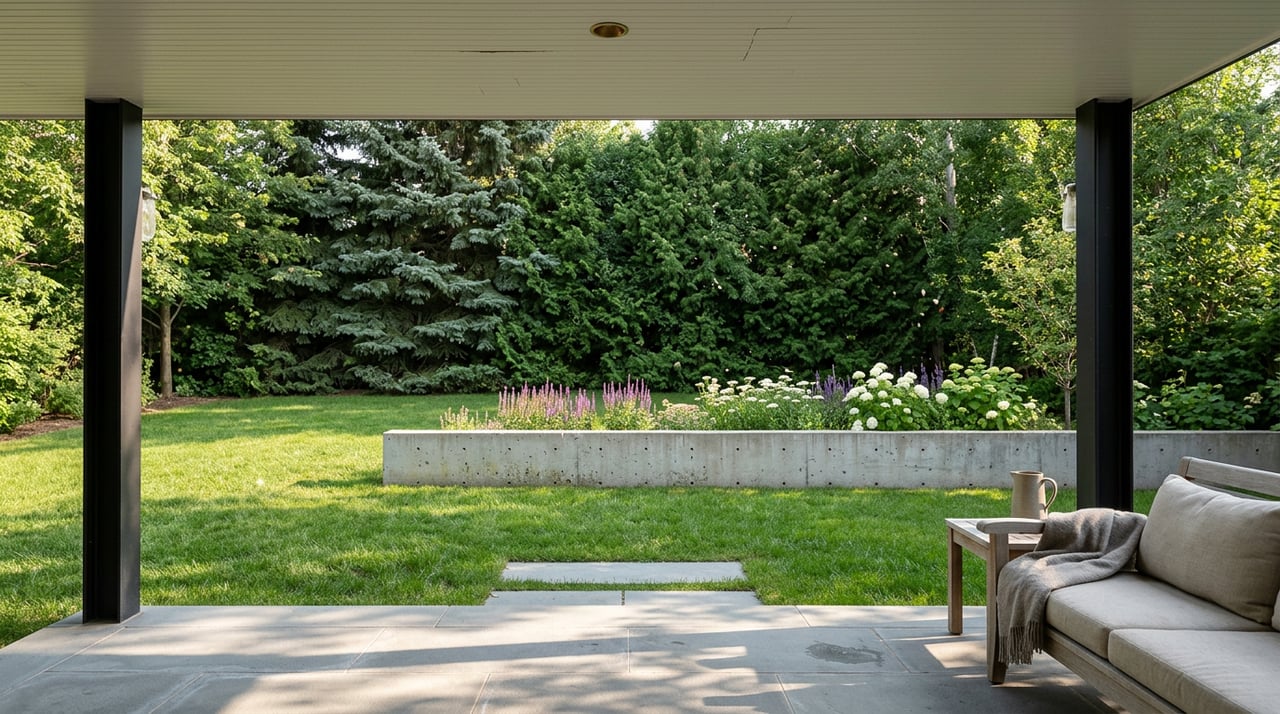
Many buyers assume a townhome automatically comes with more privacy or more usable outdoor space. In Aspen Core, that can be true, but it is not something to assume. Under Colorado law, limited common elements can be reserved for exclusive use, which means patios, decks, rooftop areas, and storage spaces may or may not function the way you expect.
If outdoor living matters to you, verify every boundary. Ask whether a terrace or patio is deeded to the unit, reserved as a limited common element, or shared as part of the general common area. The answer affects privacy, maintenance, and sometimes even what changes you can make over time.
Parking Can Shape Daily Ownership
In downtown Aspen, parking is not a side issue. The downtown core is tightly managed, with parking enforced from 10:00 a.m. to 6:00 p.m., a four-hour parking limit, and towing risk during snow season or special events. For a part-time owner, that can directly affect convenience.
This is where deeded garage access, an assigned space, or a reliable off-street solution becomes valuable. A beautifully finished property can still feel less practical if parking is uncertain. Whether you are comparing a condo or a townhome, parking rights deserve the same attention as the interior itself.
HOA Rules Are the Real Operating Manual
In Colorado, the relationship between an owner and an HOA is contractual. The declaration, bylaws, and rules define that relationship, which is why these documents should be reviewed carefully before you write an offer. If you are buying a second home, this review is not a formality. It is part of your risk management.
You should pay close attention to budgets, reserve policies, insurance summaries, assessment history, parking rules, and rental restrictions. HOA dues may increase as needed to meet budget requirements unless the declaration sets a cap, and special assessments may be used for one-time repairs or replacements. For a second-home buyer, those details can influence both carrying costs and long-term predictability.
Insurance and Reserves Affect Ownership Risk
Associations in Colorado must maintain property insurance on common elements and commercial general liability insurance related to those areas. That is helpful, but it does not remove the need for deeper review. Reserve studies are not required by statute, though associations must have a reserve-study policy.
For you as a buyer, this means the reserve policy and past assessment history matter. A well-located Aspen Core property can still become a more expensive ownership experience if deferred maintenance or underfunded reserves lead to future assessments. This is one area where careful due diligence can protect both your lifestyle and your balance sheet.
Rental Potential Depends on Aspen Rules
If leasing flexibility is part of your second-home strategy, Aspen’s short-term rental framework matters more than whether a property is labeled condo or townhome. In Aspen, any residential property or dwelling unit rented for fewer than 30 days must have a short-term rental permit and required licensing from the City of Aspen. The city uses three permit types: Lodging Exempt, Owner-Occupied, and Classic.
For true second homes, the Owner-Occupied permit is usually not the main path because it is limited to primary residences and capped at 120 rental nights per year. The Classic permit is available to owner-occupied or non-owner-occupied residential properties, has no annual night limit, but is capped in certain zone districts and may involve a waitlist. Some Aspen zone districts, including Commercial Core, Lodge, Commercial Lodge, Lodge Overlay, and Lodge Preservation Overlay, have no STR-C cap.
Why Some Condos Outperform Townhomes
A condo can sometimes be more rental-friendly than a townhome, depending on how the building is classified and where it sits. Aspen allows a Lodging Exempt permit for managers of qualifying lodging and condo-hotel properties, and that permit has no annual night limit. However, individual owners in lodge or condo-hotel properties are not eligible for that permit and must instead use the Classic or Owner-Occupied path.
This is why the physical product alone does not tell you the whole rental story. A condo in the right building and zone may support a stronger leasing strategy than a conventional townhome in a residential area. The reverse can also be true if a townhome sits in a more permissive zone and the HOA allows rentals.
Existing Rental History Is Not Enough
Buyers sometimes assume that if a seller rented the property before, the path is already clear. In Aspen, that assumption can create problems. Short-term rental permits expire at year-end, must be renewed annually, and are non-transferable.
Aspen also requires HOA compliance documentation in the permit process. Annual permit fees currently include $148 per unit for STR-LE and $394 for STR-C and STR-OO, plus a $150 annual business license. When underwriting rental potential, the real question is whether the property can support your intended permit type after closing, not whether the seller rented it in the past.
Aspen Core Second-Home Checklist
If you are comparing condos and townhomes in Aspen Core, use a decision framework that goes beyond style and square footage.
- Confirm whether the property is a condominium, townhome, condo-hotel, or lodge-style asset
- Request the declaration, bylaws, rules and regulations, budget, reserve-study policy, insurance summary, parking rights, and any rental addenda
- Verify whether decks, patios, storage, and outdoor spaces are deeded, limited common elements, or shared common elements
- Review HOA restrictions on rentals, pets, parking, and exterior changes
- Check whether the property’s zone and building type support your intended short-term rental strategy
- Do not assume an existing short-term rental permit transfers at closing
Which Option Is Better for You?
If your priority is ease, shared maintenance, and a highly managed ownership experience, a condo may be the stronger fit. If your priority is a more private or house-like feel, a townhome may deserve a closer look. But in Aspen Core, the better second home is usually the property with the strongest combination of HOA terms, parking rights, outdoor-use rights, and rental permitability.
The smartest purchases in this market come from document-level clarity. When your decision is grounded in how the property actually operates, you are in a better position to buy with confidence and hold with fewer surprises.
If you are weighing Aspen Core condos against townhomes and want a discreet, detail-driven view of ownership strategy, rental usability, and long-term fit, Jamay Shook can help you evaluate the nuances with precision.
FAQs
What is the main difference between an Aspen Core condo and townhome for a second-home buyer?
- The main difference is often not the architecture but the governing documents that define ownership, maintenance responsibilities, parking rights, outdoor-use rights, and rental restrictions.
Are Aspen Core condos better for lock-and-leave second-home ownership?
- Often yes, but only if the HOA handles enough exterior maintenance and shared systems to support a lower-management ownership experience.
Do Aspen Core townhomes always offer more privacy than condos?
- No. Privacy depends on boundary lines, limited common elements, and HOA rules, not simply the townhome label.
Can you use an existing Aspen short-term rental permit after buying a second home?
- No. Aspen states that short-term rental permits are non-transferable and must be renewed annually.
What Aspen Core parking issue should second-home buyers review before closing?
- You should confirm whether the property includes deeded garage access, an assigned space, or another off-street parking solution, since downtown core parking is tightly regulated.
What HOA documents should you request for an Aspen Core condo or townhome?
- You should request the declaration, bylaws, rules and regulations, budget, reserve-study policy, insurance summary, parking rights, and any rental-related addenda.