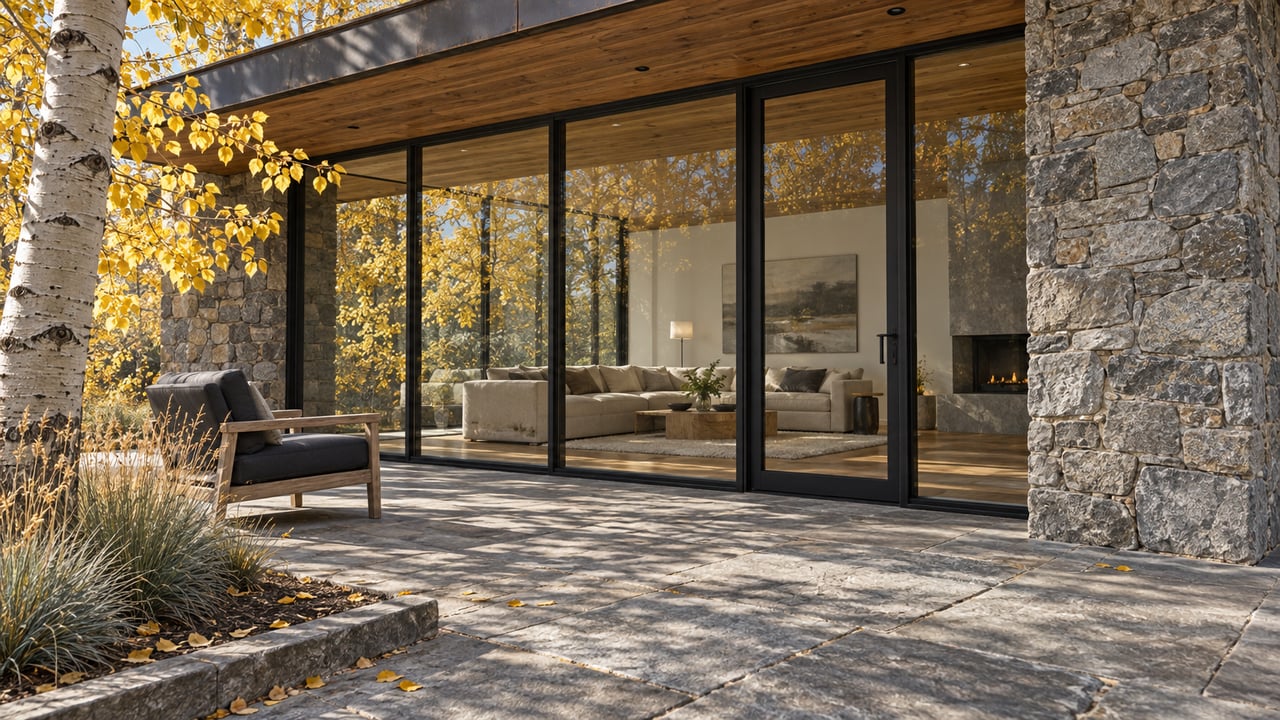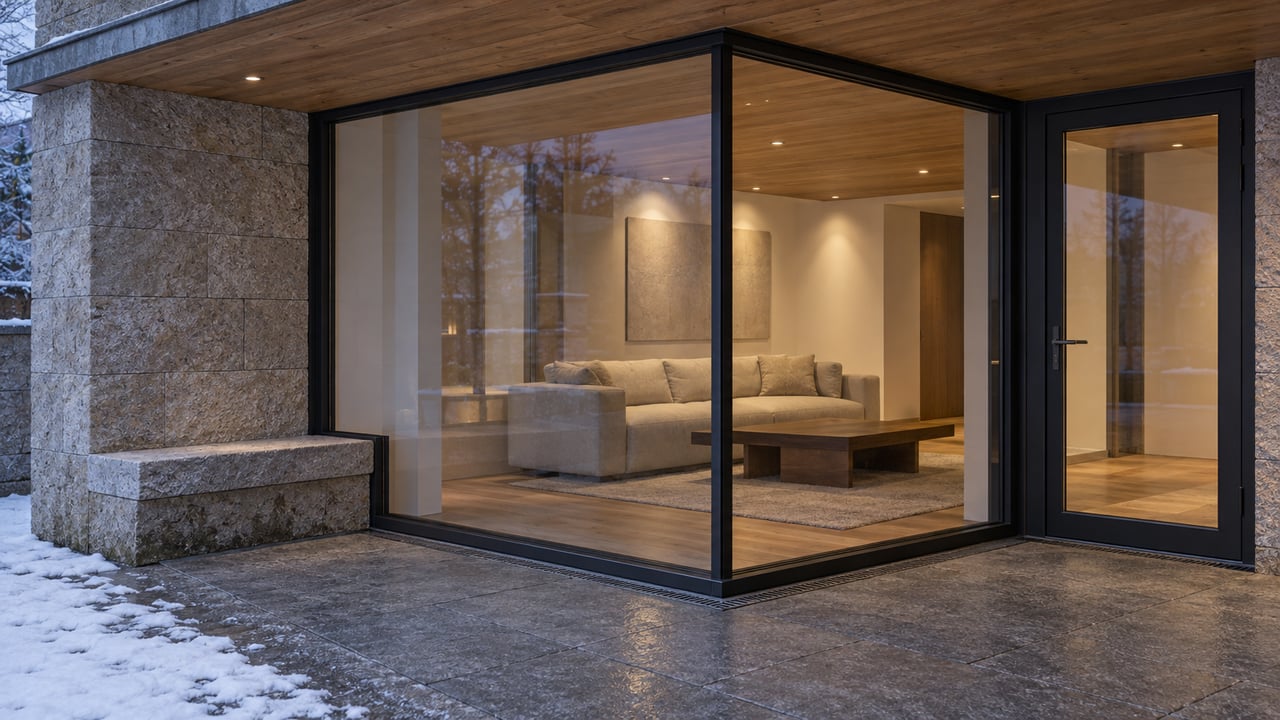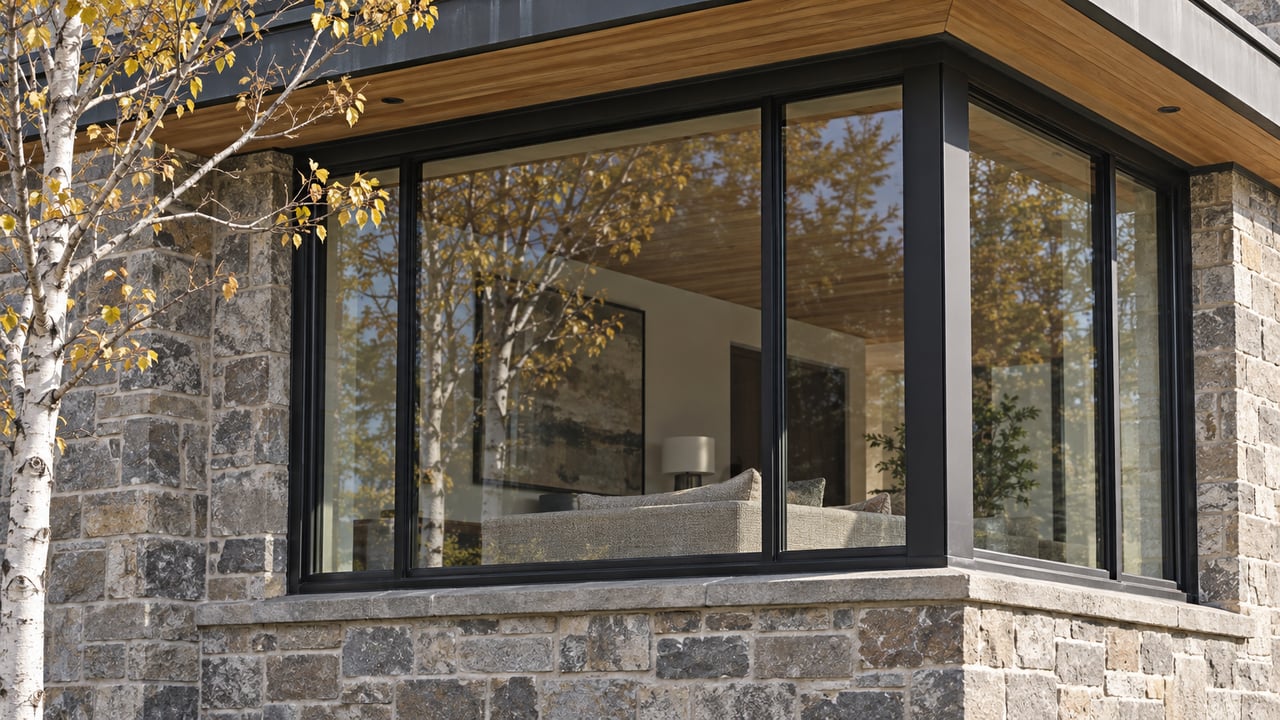
Chateau Chaumont sits on East Durant Avenue. Chateau Roaring Fork is a few blocks away on East Cooper Avenue. Both are condominium buildings on the east side of downtown Aspen, and both have rented to visitors for years. Chateau Chaumont held 21 classic short-term rental permits as of April 3, 2026, and Chateau Roaring Fork had 26 active ones, according to a July 2026 report by Aspen Journalism.
The two buildings look alike to a buyer, but the city treats them differently. Chateau Chaumont is in Aspen's Lodging zone, where classic permits have no cap. Chateau Roaring Fork is in the Residential/Multi-Family zone, where they do. When a unit changes hands, that difference decides whether the new owner can rent it by the night.
The permit leaves with the seller
In most cases, an Aspen short-term rental permit does not go to a new owner when the property sells. Permits are renewed every year, and the city lets the count shrink through what its STR support specialist calls attrition, Aspen Journalism reported. Each sale sends that permit back toward the cap.
A listing can describe a condo as a proven rental with a strong booking history, and the history may be real. The permit behind it belonged to the seller, though. The buyer is starting over, and the zone district under the building sets the terms.
The city issues three permit types:
- Classic (STR-C): no limit on rental nights, but a set number of permits in most zone districts.
- Owner-occupied (STR-OO): up to 120 rental nights a year, and the permittee must show the unit is their primary residence.
- Lodging-exempt (STR-LE): for properties with at least 15 STR units, on-site management and at least three hotel-style amenities. As of April 3, 2026, seven of these permits covered about 384 units.
Most second-home buyers who plan to rent when they aren't in town need the classic permit, and that's the one subject to caps.
Which side of the line a building sits on
The city's STR program guidelines list classic permits as unlimited in the L, CL, CC and C-1 zone districts, which include the Lodging and Commercial Core zones. In 14 residential-serving districts, the City Council set caps 25% below the number of active permits each district had under the old system, according to Aspen Journalism.
The Residential/Multi-Family zone, R/MF, matters most for condo buyers near downtown. Its cap is 190 classic permits. Aspen Journalism counted 187 active and three pending as of May 15, 2026. The zone is scattered around town. Its largest pocket is east of the downtown core, between Original Street and the Roaring Fork River, and it includes many condo buildings that have been rented short-term for decades.
Councilmember Bill Guth spelled out the result at an August 2025 council meeting, as reported by Aspen Journalism:
"If you're in Chateau Eau Claire or Chateau Roaring Fork [in the R/MF zone], you're being treated very differently than if you're in Chateau Dumont or Chaumont [in the Lodging zone]. They were built for the same purpose by the same developer to very similar buyers and they had certain expectations, and they're being treated very differently now."
Community Development Director Ben Anderson responded in the same meeting that many of these buildings also have a long history of local use, and that "within the same building, it's a total mix." The council kept the cap in place.
The zone line doesn't run neatly east and west, either. The city's R/MF waitlist includes addresses on East Cooper, East Hyman and East Durant avenues and on Waters Avenue. It also includes West End Street, South Garmisch Street and West Hyman Avenue. You can't tell a building's zone from its street address. The city's FAQ points to its Aspen Short-term Rental Map, linked from the Map Aspen page, for checking a property's zone district.
The front of the R/MF line still dates to October 2022
Every new R/MF applicant since 2023 has gone onto a waitlist. The city publishes that list, and its numbers show what a buyer is really signing up for.
| R/MF classic permit waitlist | Detail |
|---|---|
| Names on the list, May 15, 2026 | 55 |
| Names on the list, city update dated Aug. 20, 2026 | 55 |
| Application dates of positions 1 through 3 | Oct. 1 to Oct. 3, 2022 |
| Application date of position 55 | May 12, 2026 |
| Pace of offers since October 2025, per the city | About one permit a month |
The line is moving. Emmy Garrigus Oliver, who manages the city's Lodging and Commercial Core Program, told Aspen Journalism that once the zone fell to its cap, the city began offering roughly one permit a month to the applicant in the top spot. Even so, the list was the same length in August as in May, and the top three names on the August update applied in the first days of October 2022. If the one-a-month pace held, a buyer who joins behind 55 names would wait more than four years. A local property manager who handles hundreds of Aspen STRs told Aspen Journalism he usually tells new R/MF owners to expect two or three years. At an August 2025 meeting, the city said the zone was losing about 20 permits a year and adding about 12 names a year to the waitlist.
The list says it may not reflect the latest applications, and the city's FAQ says online waitlists are updated quarterly. One more detail shows how much pressure there is. Oliver's August 2025 presentation said one-third of waitlisted applicants were new owners who applied after the rules took effect, and 83% of the list was east of the downtown core. In practice, buyers in this pocket have been paying for rentable units and receiving waitlist positions.
What Ordinance 8 changed, and what it didn't
On Nov. 18, 2025, the City Council approved a set of amendments that the city announced the next day. Two of them affect transactions directly:
- Death or divorce. An active permit can now pass to another person named in legal documents. Aspen Journalism describes this as covering next of kin who hold at least a 10% ownership interest.
- STR-Temporary permit. A buyer can honor a limited number of reservations booked before the sale. The Aspen Times reported the permit is valid for 90 days, though the city's release doesn't state a length.
The temporary permit fixed a real problem. Before it existed, the city had to tell sellers that the buyer could not keep the bookings already on the calendar, according to Aspen Journalism. It covers the handoff period only. In a capped zone, the buyer's long-term rental rights still depend on the waitlist. Ordinance 8 left the caps alone, and transfer on an ordinary sale is still not allowed.
On the November 2026 ballot, Aspen Public Radio's election guide lists Aspen's only ballot issue, 2A, as revenue bonds for a water treatment facility. It is not a rental or lodging tax measure.
The fallback options carry different math
An R/MF owner on the waitlist has other options. Mayor Rachel Richards pointed out at the August 2025 meeting that waitlisted owners can still apply for an owner-occupied permit or rent long term. "Long-term rental was the next priority," she said, as reported by Aspen Journalism. City staff found that 12 waitlisted properties were already operating as long-term rentals.
Each option changes the numbers. The owner-occupied permit allows 120 nights and requires the unit to be a primary residence, which rules it out for most second-home buyers. Taxes differ by permit type too. Aspen Journalism reports aggregate rates of 22.35% on classic-permit stays and 17.35% on owner-occupied and lodging-exempt stays, compared with 12.35% at traditional hotels. Those rates combine the 10.35% sales tax, the 2% lodging tax and a voter-approved STR excise tax of 10% or 5%. The city publishes its current rates on its lodging and short-term rental tax page.
So an uncapped Lodging or Commercial Core unit can be underwritten with nightly rental income from the first season. A similar R/MF unit has to be underwritten as a long-term rental or a personal-use property for an uncertain stretch of time, with nightly rental possible later. Two condos with similar price per square foot can perform very differently once you hold them.
Questions to settle before writing an offer
- Which zone district is the building in? Check the city's STR map instead of relying on the address or the listing description.
- If it's a capped zone, how long is that zone's waitlist? R/MF is by far the longest. Aspen Journalism reported that other capped zones with waitlists usually have fewer than five names.
- What bookings are on the calendar after closing? Ask whether the STR-Temporary permit would cover them and how many there are.
- Does the purchase price assume rental income the buyer can't legally earn? In a capped zone, the seller's rental history shows what the unit has earned, not what the next owner will be allowed to do.
This is general information about how Aspen's program works, not legal, tax or financial advice. Confirm your own situation with an attorney, accountant and the city's STR staff at [email protected] before you rely on it.
If you're comparing downtown condos and rental income is part of the plan, Jamay Shook can map each building's zone, permit status and booking calendar before you make an offer. Request a confidential Aspen real estate strategy session.